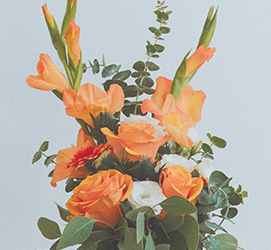
Victoria Park wedding flowers case study Old Ford venue
Posted on 11/10/2026
Victoria Park wedding flowers case study Old Ford venue: a practical, elegant guide for real wedding planning
If you are searching for a Victoria Park wedding flowers case study Old Ford venue, chances are you are not just browsing pretty pictures. You want to know what actually works at a London wedding, how the flowers suit the setting, and what details make the whole thing feel polished rather than overdone. Fair enough. Flowers can make a venue feel warm, personal, and properly finished, but only if the style, scale, and timing are handled well.
This guide breaks down a realistic wedding-floral approach for a Victoria Park celebration with an Old Ford venue feel. It looks at why the idea matters, how the planning process usually works, what benefits you can expect, and the mistakes that tend to trip couples up. You will also find a comparison table, a practical checklist, and a case-study style example to help you picture the final result. The aim is simple: give you useful, grounded advice you can actually use.
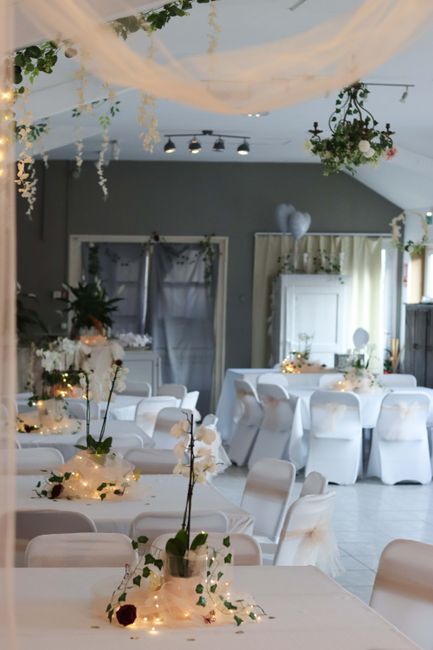
Table of Contents
- Why Victoria Park wedding flowers case study Old Ford venue Matters
- How Victoria Park wedding flowers case study Old Ford venue Works
- Key Benefits and Practical Advantages
- Who This Is For and When It Makes Sense
- Step-by-Step Guidance
- Expert Tips for Better Results
- Common Mistakes to Avoid
- Tools, Resources and Recommendations
- Law, Compliance, Standards, or Best Practice
- Options, Methods, or Comparison Table
- Case Study or Real-World Example
- Practical Checklist
- Conclusion
- Frequently Asked Questions
Why Victoria Park wedding flowers case study Old Ford venue Matters
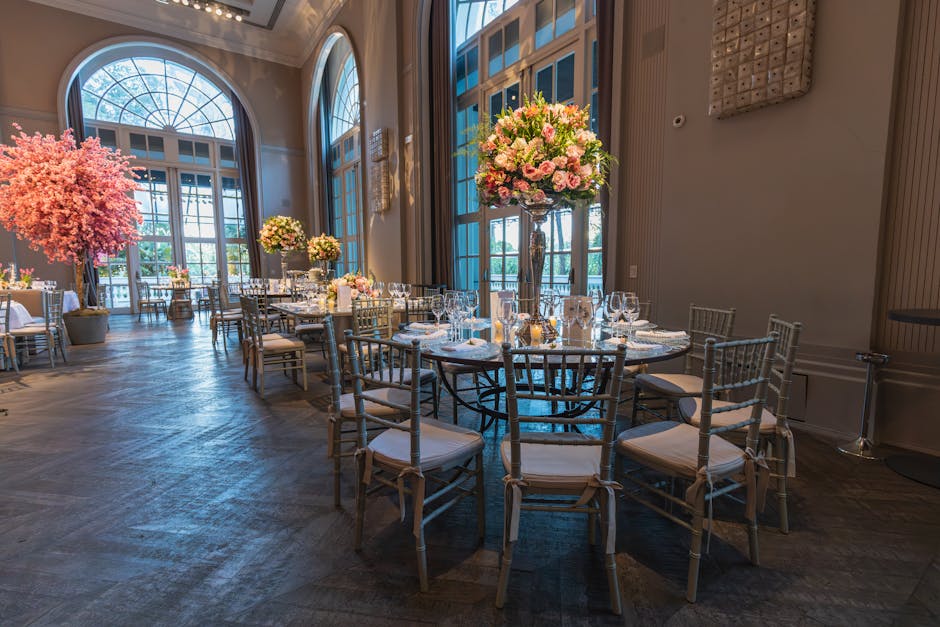
Victoria Park and the wider Old Ford area sit in a part of London where weddings often blend city practicality with a softer, more natural mood. That mix matters. A floral scheme that feels lovely in a showroom can look completely different once it meets a real venue, daylight, doorway widths, a ceremony table, or a reception room that has its own colour palette already doing half the talking.
A wedding flowers case study is useful because it shifts the conversation from abstract ideas to actual decisions. Instead of asking, "What flowers are popular?" you ask, "What flowers suit this venue, this season, this light, this guest count, and this timeline?" That is a much better question. It saves money, reduces stress, and usually leads to a more elegant result.
In an area like Old Ford, where venues can vary from historic-feeling spaces to more contemporary rooms, floral design also needs to be flexible. You might need a bridal bouquet that photographs beautifully outdoors in the park, then centrepieces that hold their shape under indoor lighting later in the day. Same wedding, different conditions. That is the real challenge.
Expert takeaway: the best wedding flowers are not always the biggest or most expensive ones. They are the ones that suit the venue, hold up through the day, and feel consistent from first look to last dance.
To be fair, people often focus on "wow factor" first. That is understandable. But the strongest designs usually come from a calmer process: picking a palette, checking the venue layout, and deciding where flowers will do the most visual work. Less scattergun, more intention.
How Victoria Park wedding flowers case study Old Ford venue Works
A good floral plan for this kind of wedding usually starts with the venue itself. What does the ceremony space look like? Is the room already bright and airy, or is it more enclosed? Are there natural features around Victoria Park that you want to echo, or do you want the flowers to contrast with the setting and feel more dramatic?
Once the setting is clear, the florist can build a design around the practical flow of the day. For example, a bridal bouquet might need to look balanced against a dress with clean lines. Bridesmaid bouquets may need to be slightly smaller and lighter so they do not overpower the photos. Buttonholes should sit neatly and stay fresh. Table arrangements need to be visible without blocking conversation. Simple on paper. Not always simple in practice.
In many wedding projects, the structure looks something like this:
- Venue review: look at the ceremony and reception spaces, natural light, table sizes, and any restrictions.
- Style direction: decide whether the look is classic, romantic, modern, seasonal, or garden-inspired.
- Colour planning: choose tones that work with attire, decor, and the season.
- Flower selection: balance premium focal flowers with supporting blooms for texture and fullness.
- Scale and placement: map out where each arrangement will have the most impact.
- Timing and delivery: make sure florals arrive in good condition and are set up in the right order.
That last point matters more than people think. Fresh flowers are living material, and the timing of delivery can affect everything from hydration to how open the blooms appear on the day. A bouquet that looks perfect at 9 a.m. may not need exactly the same handling as one carried at 3 p.m. A florist experienced with wedding delivery in London usually plans for that.
For couples browsing styles, the wedding-specific ranges on wedding flowers can help you compare bridal bouquets, bridesmaid flowers, buttonholes, and table pieces in one place. If you are planning a more local order, the main Old Ford wedding flowers page is also a useful starting point.
Key Benefits and Practical Advantages
The main benefit of planning Victoria Park wedding flowers with a case-study mindset is clarity. You are not guessing. You are making design choices that answer real venue conditions. That usually leads to better value, better photos, and fewer last-minute surprises.
Here are the practical advantages couples tend to notice:
- Better visual balance: arrangements are sized for the room rather than copied from another wedding.
- More cohesive styling: bouquet, ceremony flowers, table pieces, and buttonholes feel like one story.
- Less waste: you avoid paying for oversized items that never really get seen.
- Better guest experience: table flowers enhance the space without getting in the way.
- Improved photo results: floral colours and shapes work with natural light, skin tones, and venue backdrops.
- Less stress on the day: if the plan is clear, setup feels calmer. Honestly, that calm is worth a lot.
There is also the emotional side. Flowers do a strange but lovely thing at weddings: they tie the whole day together without shouting about it. A well-chosen bouquet in a park setting can make the bride or couple look rooted in the moment. A thoughtful table arrangement can make a reception feel intimate even when there are many guests. It sounds small, but it changes the mood.
If budget is part of the conversation, you can also use specific product ranges to shape the spend. For example, pairing a statement bridal bouquet with simpler supporting pieces can be more effective than spreading the budget too thin. Browse options such as luxury flowers or the more accessible budget-friendly flowers range if you want to compare style levels.
Who This Is For and When It Makes Sense
This approach is especially useful for couples planning a wedding near Victoria Park, in Old Ford, or anywhere in East London where venue style can be a bit mixed. Some venues are elegant but compact. Others are spacious but have a strong built-in look already. Flowers need to respond to that, not fight it.
It makes sense if you are:
- planning a ceremony and reception in or around Victoria Park;
- working with a venue that has strict set-up windows;
- wanting a floral style that feels natural, romantic, or seasonal;
- trying to keep the look cohesive across photos, dining tables, and the aisle;
- balancing a meaningful design with a realistic budget;
- not sure how many arrangements you actually need.
It is also a good fit if you care about practical details. Maybe you want flowers that travel well, or a bouquet that will not wilt halfway through the day. Maybe you want buttonholes that sit neatly on jackets without dangling awkwardly. These are the kinds of little things that are easy to overlook, then suddenly very noticeable on the morning.
For couples who like a gentler, more classic look, a simple palette of whites, greens, and soft blush tones often works beautifully. If you want a stronger statement, richer reds, purples, or mixed seasonal shades can feel more dramatic. The right choice depends on the venue light, the time of year, and the mood you want to create.
Step-by-Step Guidance
If you are planning wedding flowers for Victoria Park and an Old Ford venue, the easiest way to stay organised is to move from the general to the specific. Do not start with flower names. Start with the setting, the schedule, and the priority pieces.
1. Define the wedding mood
Begin with words, not products. Do you want romantic, modern, relaxed, heritage-inspired, or garden-like? This gives the florist a design language to work with. A "garden romance" brief will produce something very different from a "clean and contemporary" one.
2. Map the key moments
Think about the moments people will actually see most clearly: arrival, ceremony, signing table, couple portraits, dining tables, and any cake or gift area. Those are the spots where flowers do the heaviest lifting.
3. Choose a palette that suits the venue
Cool-toned rooms often work well with whites, purples, and soft pinks. Warmer rooms can carry peach, coral, red, and golden accents. Mixed-colour designs can look lively, but if the venue already has a lot going on, they need discipline. Otherwise it can get a bit noisy.
4. Select the main floral pieces
Usually these are the bridal bouquet, bridesmaid bouquets, buttonholes, and table flowers. For some weddings, an altar or ceremony arrangement becomes the main focal point. In others, a few smaller arrangements placed well will do more than a large installation. It really depends on the room.
5. Match scale to guest experience
Large arrangements are not always better. For dining, low centrepieces are often easier for conversation. Taller arrangements can work if the venue ceiling height and table spacing allow it. Think about line of sight. Guests should not feel like they are peering through a hedge to see each other.
6. Confirm delivery and set-up timing
Wedding flowers need to arrive when there is enough time to place them properly and enough freshness to hold through the event. A local florist familiar with Old Ford flower delivery will usually plan around traffic, access points, and venue schedules with much more ease than a generalist supplier.
7. Check the final detail list
Before the wedding, confirm the quantities and destinations for each item. Who gets the bouquets? Where do the buttonholes go? Which arrangements are for the ceremony, and which are moving to the reception? These tiny logistics save a surprising amount of stress.
There is a kind of calm that appears when the details are pinned down. Not glamorous, maybe, but very welcome.
Expert Tips for Better Results
In our experience, the best wedding-flower outcomes often come from restraint. That does not mean boring. It means knowing where to spend the visual energy.
- Use one hero element: a bouquet, ceremony display, or centrepiece style should lead the design.
- Repeat a shape or texture: echoing the same bloom style in bouquet and table flowers creates harmony.
- Think in photographs: some flowers look larger or smaller on camera than in real life.
- Ask about stem finish: ribbon wrap, exposed stems, or a hand-tied finish all change the look.
- Choose practical stems for buttonholes: they should be neat, sturdy, and comfortable to wear.
- Allow for weather: warm sunlight, wind, or a damp morning can affect delicate blooms.
A sensible little trick is to keep the bouquet palette slightly softer than you think you want, especially if the dress, suits, or venue decor are already bold. Flowers read strongly in photos. So a "small" colour change can feel huge once everything is together. Sneaky, really.
If you want a starting point for proven wedding styles, look at arrangements such as bridal bouquet styles, bridesmaid bouquets, and wedding buttonholes. For table styling, table arrangements are worth reviewing early, because they influence the whole room layout.
Another tip: do not forget the awkward bits. Stair rails, signing tables, registrar spaces, drinks tables, sideboards, those little corners no one mentions in the first meeting. A few well-placed stems there can make the venue feel considered rather than just decorated.
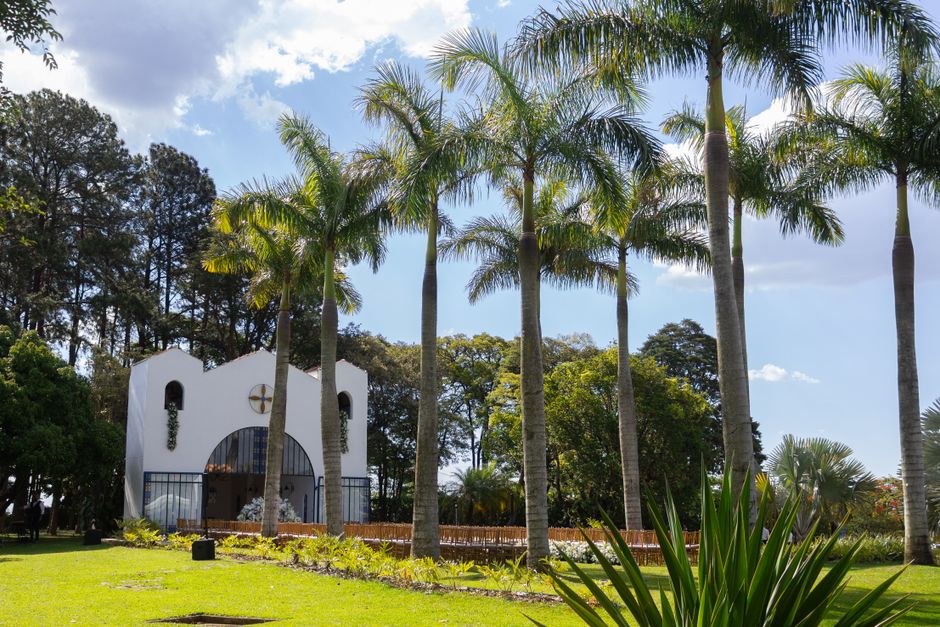
Common Mistakes to Avoid
Most wedding flower mistakes are not dramatic. They are practical oversights. The sort of thing that seems small during planning, then becomes irritating on the day.
- Choosing flowers only from photos: images can be misleading if you do not factor in scale and season.
- Overloading the budget on one feature: one big display is not enough if the rest of the room feels empty.
- Ignoring venue lighting: soft daylight and evening artificial light change how colours read.
- Forgetting transport and access: narrow entrances, parking limits, and setup windows matter in London.
- Ordering too late: popular wedding dates and specific stems can book quickly.
- Making buttonholes too large or fragile: they should look elegant, not fussy.
- Not confirming where arrangements move after the ceremony: reusable flowers can save money if planned properly.
One of the most common problems is assuming every part of the day needs the same level of floristry. It does not. Some spaces need a strong focal arrangement. Others only need a light touch. If everything is shouting, nothing feels special. Bit of a lesson there.
Another mistake is choosing a palette that clashes with the venue's existing colours. If the walls, linens, or decor already carry strong tones, the flowers should either complement them or intentionally contrast in a controlled way. Random mixed colours can be lovely in the right setting, but they need a clear reason to be there.
Tools, Resources and Recommendations
You do not need complicated software to plan wedding flowers well, but a few simple tools help enormously. A mood board, a spreadsheet, or even a single notebook page can keep decisions clear. The best planning tool is the one you will actually use, which sounds obvious, but people do forget that.
Useful resources and product categories to review include:
- wedding collection options for a fuller overview of bridal and reception pieces;
- bridal bouquets if you want to compare statement versus softer designs;
- bridesmaid bouquets to keep the wedding party consistent;
- corsages for family members or honoured guests;
- luxury floral options if you want a more premium finish.
It can also help to review general service pages before booking. The about us page gives you a sense of the florist's approach, while guarantees, delivery, and flower care help you understand how flowers are handled before and after arrival. That is the sort of detail people often skip until the last minute.
If you are planning flowers for a larger order or need coordinated wedding and event work, the corporate accounts and contact us pages can be useful for starting a conversation. You do not have to know every answer before you speak to a florist. Honestly, you rarely do.
Law, Compliance, Standards, or Best Practice
For wedding flowers, compliance is usually more about good business practice than heavy regulation. Still, there are sensible standards that matter.
First, a florist should be clear about delivery, substitutions, payment, refunds, and terms. If you are booking for a wedding, it is worth reading the relevant terms and conditions, returns and refund information, payment details, and privacy policy. These pages help you understand how personal data, order changes, and issue resolution are handled.
Second, sustainability matters more and more in wedding planning. That does not mean every flower must be local, seasonal, or foam-free, because real-world weddings are more nuanced than that. But it does mean it is sensible to ask how waste is reduced, how flowers are sourced, and whether reusable or lower-impact design choices are available. The sustainability page is a good place to understand a florist's approach.
Third, accessibility and clear communication are part of good best practice. Venues can have stairs, limited loading points, or narrow access. If flowers need to be carried through public areas or installed during a short set-up window, planning ahead avoids delays and awkward moments. A calm checklist and a clear point of contact help more than people realise.
Finally, if you are ordering flowers for a wedding in London, make sure the florist understands the pace of the city. Traffic, parking restrictions, and venue scheduling can all affect delivery timing. Nothing glamorous about that, but it matters.
Options, Methods, or Comparison Table
Not every wedding needs the same floral method. Some couples want a soft, natural look. Others need structure and formality. Here is a simple comparison to help narrow the choice.
| Approach | Best for | Strengths | Watch-outs |
|---|---|---|---|
| Soft romantic styling | Park weddings, classic venues, gentle colour palettes | Feels timeless, flattering in photos, easy to soften around venue decor | Can look too pale if the room has low light |
| Modern minimal styling | Contemporary venues, clean lines, shorter guest lists | Elegant, tidy, often budget-efficient | Needs precise placement or it may look sparse |
| Seasonal mixed design | Couples who want colour and texture | Fresh, lively, often feels natural and personal | Can become visually busy without discipline |
| Statement luxury design | High-impact weddings, formal celebrations | Strong visual presence, excellent for photos and focal points | Can absorb budget quickly if not balanced elsewhere |
For many Victoria Park and Old Ford weddings, the sweet spot sits between romantic and seasonal. You get softness, but also shape. Enough character to be memorable, not so much that it starts competing with the couple.
If you want to compare design families, browsing collections such as True Happiness, Pure Romance, or Royal Essence can help you sense the different style directions available. Product names are only a starting point, of course, but they can make early decisions easier.
Case Study or Real-World Example
Here is a realistic example based on the sort of brief that comes up often for an Old Ford wedding near Victoria Park.
A couple wanted a daytime ceremony with a relaxed, elegant feel. They liked soft pinks, whites, and a little green for texture. The venue was lovely but did not need heavy decoration. In fact, too much would have cluttered it. They wanted the flowers to feel present, not pushy. A fair request, really.
The final plan focused on four areas:
- a hand-tied bridal bouquet with soft focal blooms and airy detailing;
- smaller bridesmaid bouquets to mirror the bridal palette without competing;
- simple buttonholes for the wedding party;
- low table arrangements to keep conversation easy during the meal.
The couple also decided to keep the ceremony flowers flexible so they could be moved into the reception space later. That gave them more visual value from the same investment. Small decision, big impact. The room felt fuller later in the day without needing a second set of large displays.
What made the plan work was not floral extravagance. It was discipline. The colours were limited, the pieces were scaled to the room, and every arrangement had a job. The bouquet looked beautiful in the park during portraits, and the table pieces held the atmosphere steady indoors. Nothing felt forced.
If that sounds a bit underwhelming compared with dramatic wedding inspiration boards, that is exactly the point. Real weddings often need practical elegance more than spectacle. And truth be told, that usually photographs better anyway.
Practical Checklist
Use this checklist when planning your Victoria Park wedding flowers case study Old Ford venue approach.
- Venue confirmed: ceremony and reception spaces reviewed
- Delivery window checked: setup time, access, and parking considered
- Style decided: romantic, modern, seasonal, or classic
- Palette chosen: colours work with dress, suits, and venue decor
- Main flowers selected: bouquet, bridesmaid flowers, buttonholes, table pieces
- Guest flow reviewed: arrangements do not block sightlines or conversation
- Seasonality checked: chosen flowers are realistic for the date
- Reuse plan set: ceremony flowers can be moved to reception if useful
- Budget balanced: money is focused where it has most impact
- Final details confirmed: quantities, timing, and contact numbers are written down
If you can tick most of those boxes, you are in very good shape. If not, no drama. The missing pieces are usually easy to fix once the plan is clear.
Conclusion
A thoughtful Victoria Park wedding flowers case study Old Ford venue is really about making flowers serve the wedding, not the other way round. When the design respects the venue, suits the light, and fits the pace of the day, the result feels calm, elegant, and memorable in the right way.
Whether you want soft romantic bouquets, a seasonal mixed palette, or a more polished luxury finish, the most reliable path is still the same: understand the venue, decide what matters most visually, and keep the design purposeful. That is how you get flowers that feel beautiful without becoming a headache.
If you are planning your own wedding in the area, start with the essentials, ask clear questions, and use product ranges that help you compare style and scale properly. A little clarity now saves a lot of faff later, and that is always welcome.
Get a free quote today and see how much you can save.
Frequently Asked Questions
What is a Victoria Park wedding flowers case study Old Ford venue?
It is a practical example of how wedding flowers can be planned for a Victoria Park or Old Ford wedding setting, showing what styles, sizes, and delivery choices work best in a real venue context.
Why is venue-specific flower planning so important?
Because flowers look different depending on lighting, room size, table layout, and decor. A design that works in one venue can feel too large, too small, or visually off in another.
What flowers work well for weddings near Victoria Park?
Soft roses, lisianthus, orchids, lilies, alstroemeria, chrysanthemums, and seasonal mixed blooms are all common choices. The right mix depends on the mood, season, and budget.
How many floral pieces do I actually need?
That depends on the size of the wedding and the spaces involved. At minimum, many couples choose a bridal bouquet, bridesmaid bouquets, buttonholes, and table arrangements.
Can ceremony flowers be reused at the reception?
Yes, often they can. This is a sensible way to stretch the budget and keep the venue looking cohesive throughout the day.
How far in advance should I book wedding flowers?
Earlier is better, especially for busy wedding months. Booking well ahead gives you more choice over style, timing, and flower availability.
What is the best way to keep wedding flowers on budget?
Focus spending on the most visible pieces, use a limited colour palette, and reuse flowers between the ceremony and reception where possible.
Are luxury flowers always better for weddings?
Not always. Luxury flowers can look stunning, but the best result comes from choosing blooms that suit the venue and the overall plan, not just from choosing expensive stems.
How do I choose between a soft romantic look and a modern look?
Look at the venue architecture, your outfits, and the mood you want guests to feel. Romantic styles usually soften a space, while modern styles bring cleaner lines and a more tailored feel.
What should I ask a florist before booking?
Ask about delivery timing, substitution policies, seasonal availability, venue access, and whether the arrangements can be reused later in the day.
Do wedding flowers need special care on the day?
Yes, especially in warm or busy conditions. Flowers should be stored and handled properly so they stay fresh through the ceremony, photos, and reception.
What if my venue has limited access or a short setup window?
Then planning becomes even more important. A florist with local delivery experience can usually work around tight windows and tricky access more smoothly.
Can I mix budget flowers with premium flowers in one design?
Absolutely. In fact, that is often the smartest approach. Premium focal flowers can be balanced with more affordable supporting blooms for a fuller look.
Where should I start if I feel overwhelmed?
Start with the venue, the wedding palette, and the three or four floral items that matter most. Once those are clear, the rest usually falls into place.