Old Ford flower waste rules recycling and donation options
Posted on 03/10/2026
If you've ever finished a wedding, funeral, shop display, or a big home bouquet and looked at the leftover stems thinking, "Right... what now?", you're not alone. Old Ford flower waste rules recycling and donation options can feel oddly specific at first, but once you break them down, the choices are actually pretty sensible. Some flowers can be reused, some can be donated, some can be composted, and some simply need to go in the right waste stream. In a place like Old Ford, where households, venues, and local businesses all generate floral waste for different reasons, getting it right saves time, lowers contamination, and can even help other people enjoy the flowers a second time.
This guide explains how flower waste should be handled in practical terms, what usually can be recycled, what should be kept out of mixed waste, and how donation options work when the blooms are still in good condition. It also covers common mistakes, compliance best practice, and a few realistic ways to make the process less of a faff.
Why Old Ford flower waste rules recycling and donation options Matters
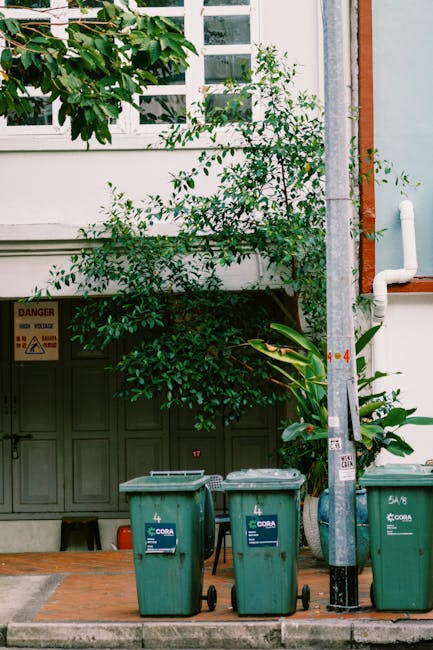
Flower waste looks harmless, and mostly it is. But once petals, ribbons, plastic sleeves, wet oasis foam, broken vases, and mixed wrapping get thrown together, the disposal job becomes more complicated than it needs to be. That matters in Old Ford just as it does anywhere else in London, because waste collection systems work best when materials are separated properly.
There's also a practical side. A fresh arrangement may still have hours or days of life left in it. A wedding table centrepiece, for example, might be too beautiful to bin after a few hours of use. Why waste it if someone else can enjoy it? Equally, if the stems are already tired and the leaves are soggy, donation may no longer be suitable, but composting or green waste handling might still be.
The phrase "rules" here is worth treating carefully. There is not one single flower-specific rulebook for every situation. Instead, flower waste is shaped by the type of waste, the venue, the collector, and the condition of the flowers. That means the smart approach is usually to sort, assess, and choose the right route rather than assume all floral leftovers are the same.
Key point: the best flower waste method is not always the same one. Recycling, reuse, donation, composting, and disposal each make sense in different situations.
How Old Ford flower waste rules recycling and donation options Works
At a simple level, flower waste handling follows a decision tree. First, look at the condition of the flowers. Then decide whether they can be donated, repurposed, composted, or discarded. That sounds basic, but it saves a lot of confusion in real life.
1. Check whether the flowers are still suitable for reuse
If the flowers are still fresh, hydrated, and presentable, donation may be the best option. This is often true after events where arrangements were only lightly used. A bouquet with bent stems and some tired petals may still be fine for a care home, a community group, or a local reuse initiative if the donor accepts it. But if there is mould, heavy damage, or strong odour, donation is usually a no-go.
2. Separate organic material from non-organic material
This is where many people trip up. Flowers themselves are organic. But wrapping, tape, florist wire, plastic trays, floral foam, tags, and cellophane are not. If you want to compost or recycle efficiently, those extras should be removed first. To be fair, this is the bit that takes ten minutes and feels longer than it is, especially when you're standing there after a busy event and all you want is the room cleared.
3. Decide between composting, green waste, or general disposal
Clean plant material can often go to composting or garden waste collection, depending on what local waste services or private collection arrangements allow. Mixed floral waste, especially where foam or plastic is involved, may have to go to general waste unless it can be separated. That is why sorting at source matters so much.
4. Consider donation routes early, not at the end
If you wait until flowers are already collapsing in a bucket of warm water, donation becomes much harder. The better approach is to plan ahead. For weddings, memorials, business receptions, or seasonal displays, set aside a few arrangements in good condition so they can be passed on quickly. Freshness changes fast. You'll notice it most in warmer rooms or after a long afternoon event when the petals start looking a bit sad around the edges.
5. Use a clear handover or collection system
Donation works best when there's a simple process. Someone needs to decide who is taking the flowers, when they are being collected, and how they are packaged for transport. If that isn't agreed in advance, the flowers often end up as waste by default. Bit of a shame, really.
Key Benefits and Practical Advantages
Getting flower waste right is not just about being tidy. It has real benefits for households, event organisers, florists, and local venues.
- Less waste going to landfill or mixed rubbish: clean organic material is easier to handle and may be composted or routed into greener disposal channels.
- Better presentation for recipients: donated flowers still need to look good, and sorting early helps keep them in better shape.
- Lower handling costs: separating waste properly can reduce the amount of mixed waste that needs more expensive disposal.
- More sustainable event planning: events that include reuse or donation options feel less wasteful and often run more smoothly.
- Cleaner back-of-house operations: florists, caterers, and venues avoid the awkward pile-up of rotting stems, wet paper, and plastic packaging.
- Community value: flowers can brighten a care setting, community space, or home much longer than one occasion.
There's a quieter benefit too. When you build a habit of separating flowers from packaging, everything feels less chaotic. The room clears faster, the bins smell less grim, and the end of an event becomes a bit calmer. Not glamorous, I know, but very real.
If you're planning an event in Old Ford and want the flowers themselves to play a bigger role than a single-night display, you may also want to look at options such as flower delivery in Old Ford for timed arrivals or a local florist in Old Ford who can help you plan arrangements with reuse in mind.
Who This Is For and When It Makes Sense
This topic matters to more people than you might think. It is not just for professional florists. If flowers are part of your day, there's a good chance you'll need a sensible waste plan.
- Households: old bouquets, seasonal displays, sympathy flowers, and gifted arrangements all create small but frequent waste decisions.
- Florists: stem cut-offs, unsold stock, damaged blooms, and packaging create a steady flow of material that needs sorting.
- Wedding venues: table arrangements, ceremony florals, buttonholes, and backdrop pieces often have a second life after the event.
- Funeral directors and families: tribute flowers may be repurposed, donated, or composted depending on preferences and condition.
- Offices and retail spaces: receptions and shop counters often receive flowers that are still attractive after the display period ends.
- Community organisers: charity events, church gatherings, and local celebrations may be able to pass arrangements on quickly.
When does it make sense to prioritise donation? Usually when the flowers are still fresh, the arrangement is intact, and someone can collect them quickly. When does recycling or composting make more sense? When petals are dropping, leaves are collapsing, or the arrangement includes only biodegradable plant material with non-compostable items removed.
And yes, sometimes the answer is simply general disposal. No drama. Not every arrangement can be saved, and pretending otherwise only creates extra mess.
Step-by-Step Guidance
Here's a practical way to deal with flower waste without overthinking it.
- Inspect the flowers quickly. Ask whether they are still fresh enough to be used again. If they smell sour, feel slimy, or are heavily wilted, donation may no longer work.
- Separate the arrangement into parts. Remove ribbon, tape, plastic sleeves, foam blocks, cards, wires, and broken containers. Keep stems and petals together if they are going into compost or green waste.
- Sort by destination. Put donation-ready flowers aside, compostable organic waste in another container, and general waste in a separate bin.
- Decide on the fastest route. Donation should happen sooner rather than later. Compostable waste can wait a bit longer, but not if it is sitting in a warm room and starting to smell.
- Pack donation flowers carefully. Use clean buckets, paper wrap, or reusable containers. Keep water levels sensible so transport does not become a soggy disaster.
- Label everything. A simple label such as "donation", "green waste", or "general waste" is often enough to prevent confusion.
- Arrange collection or drop-off. If you are giving flowers to another group, confirm timing in advance. Freshness is everything here.
- Document the process if you're a business. Keep a simple internal note of what was donated, composted, or disposed of, especially if multiple teams handle floral waste.
A small event example: a local function in Old Ford ends at 9 p.m., and the entrance table arrangement is still bright the next morning. If the venue has already lined up a recipient and the flowers are repacked by 10 a.m., donation might be realistic. Leave them until lunchtime in a hot room, though, and you're likely heading toward compost or waste instead. Timing matters. A lot.
Expert Tips for Better Results
After enough events and enough soggy flower buckets, a few practical habits make a huge difference.
Plan at the point of ordering
If you know you may want to donate flowers later, say so when you order. That affects vase choice, arrangement style, and packing. Florists can often design with post-event handling in mind, which makes a donation handover far easier.
Choose containers that travel well
Large, open, top-heavy displays look lovely on a table but can be awkward to move. If reuse or donation is likely, keep the arrangement stable, easy to lift, and not too overloaded with decorative extras.
Keep water management simple
Too much water in a transport bucket can be messy. Too little and the flowers wilt before they arrive. A balanced approach is best. You do not need to engineer the thing like a lab experiment.
Remove non-compostables early
Even if you're tired at the end of the day, take out the obvious non-biodegradable items before they get mixed in. Once wire, foam, or plastic is buried in green waste, sorting becomes much harder.
Match the destination to the condition
Fresh flowers for donation. Clean organic offcuts for composting. Damaged mixed waste for disposal. That simple rule covers most situations.
Build a same-day habit for events
For weddings and receptions, decide before the event who will collect flowers, who will strip them down, and where the waste will go. The end-of-night rush is not the time for big decisions.
If you want arrangements that hold up well for a longer display, products such as flowers in a vase or seasonal options from best sellers can sometimes be easier to manage than loosely wrapped stems.
Common Mistakes to Avoid
A lot of floral waste problems come from small, avoidable errors. Nothing dramatic. Just the kind of things that happen when everyone is busy.
- Mixing everything together: once flowers, plastic, foam, and ribbon are tossed in the same bag, the chance of recycling or composting drops sharply.
- Leaving donation too late: flowers that could have been reused in the morning are often unsalvageable by afternoon.
- Assuming all green waste is accepted everywhere: collection rules vary, so don't guess.
- Forgetting about hidden materials: florist foam, cable ties, and decorative picks are easy to miss.
- Overwatering transport containers: this creates leaks, damage, and a very unromantic mess.
- Not assigning responsibility: if nobody owns the process, the flowers drift into the nearest bin.
- Trying to donate poor-quality blooms: donations should be kind to the recipient, not just convenient for the sender.
A simple question helps here: would you be happy receiving this arrangement yourself? If the answer is no, donation is probably not the right option.
Tools, Resources and Recommendations
You do not need a big kit to manage flower waste well, but a few basic tools make the process much easier.
- Separate bins or tubs: one each for donation-ready flowers, organic waste, and general waste.
- Clean secateurs or scissors: useful for trimming damaged stems and making bundles easier to handle.
- Reusable buckets: ideal for transporting flowers without crushing them.
- Paper wrap or recyclable packing: better for neat presentation than loose plastic where reuse is planned.
- Labels or tape: simple, but very effective.
- Gloves: helpful for thorny stems, wet waste, and post-event cleanup.
For planning and product-related guidance, it can also help to review general floral care information such as flower care advice and broader company policies like sustainability or delivery information. Those pages won't tell you everything about waste handling, but they do help build a more organised process around buying, displaying, and moving flowers in the first place.
If you manage regular floral orders for events or offices, you may also find it useful to keep a standing relationship with a florist rather than making every decision ad hoc. That's especially true when you need consistent timing, predictable packaging, and a calmer handover at the end of the day.
Law, Compliance, Standards, or Best Practice
It is sensible to approach flower waste in line with general UK waste best practice, even when the material itself seems light and harmless. In practical terms, that means separating recyclable or compostable material where possible, avoiding contamination of waste streams, and making sure commercial premises understand their responsibilities for waste storage and disposal.
For businesses, that usually means having a clear waste contractor arrangement, using appropriate containers, and not assuming that all floral waste can simply be thrown into the nearest mixed bin. For event organisers, it means thinking ahead about who will take responsibility for leftover flowers and packaging after the event ends.
There is no need to overstate this. Most flower waste is straightforward if managed early. The issue is usually not the flowers themselves; it is the mix of flowers, packaging, and timing. Good practice is really about avoiding contamination and keeping organic material as clean as possible.
Where funeral tributes, wedding florals, or donation arrangements are involved, a respectful, transparent process is especially important. If flowers are to be reused, make sure the intended recipient is comfortable with the condition and style of the arrangement. If not, move to composting or disposal without fuss.
Options, Methods, or Comparison Table
Choosing between recycling, donation, composting, and disposal becomes much easier when you compare them side by side.
| Option | Best for | What to remove first | Main advantage | Main limitation |
|---|---|---|---|---|
| Donation | Fresh, attractive flowers after events or home use | Damaged stems, excess water, broken packaging | Extends the life of the flowers and helps others | Only works while the flowers still look good |
| Composting or green waste | Clean organic stems, petals, leaves | Plastic wrap, foam, wire, ribbons | Better for biodegradable waste | Not suitable for mixed or contaminated material |
| Recycling separate packaging | Card, some clean paper, suitable containers | Food residue, wet waste, floral foam | Reduces general rubbish | Only certain materials qualify |
| General waste | Mixed, mouldy, contaminated, or unrecoverable waste | Usually none, because it is already contaminated | Simple fallback option | Least sustainable route |
In practice, you often end up using more than one option. A wedding arrangement might be partly donated, partly composted, and partly discarded. That is normal. Real-world waste management is messy like that, and pretending otherwise helps nobody.
Case Study or Real-World Example
Imagine a small Old Ford wedding reception in early summer. The couple has several table arrangements, a statement display by the entrance, and a few hand-tied bouquets. By the end of the evening, some of the flowers are still in excellent condition, while others are starting to droop because the room has been warm and busy.
Here's how a sensible split would work:
- The entrance display and a couple of table arrangements are selected for donation because they are still fresh and presentable.
- Ribbon, plastic sleeves, and any non-biodegradable picks are removed before transport.
- Stem cuttings, leaves, and clean petals are separated for composting or green waste.
- Any damaged, crushed, or heavily mixed material is put into general waste.
The result? Less rubbish, more value from the flowers, and a smoother close-down for the venue staff. The bride's mum is happy because the flowers go to a community space the next morning. The venue team is happy because cleanup is quicker. And everyone avoids that slightly grim last-hour bin bag that always seems to appear at events. You know the one.
If the couple had wanted the flowers to feel more reusable from the start, they could have chosen sturdy arrangements from collections like wedding table arrangements or wedding flowers, which often make donation or repurposing easier after the event.
Practical Checklist
Use this quick checklist before you bin, donate, or compost floral waste.
- Are the flowers still fresh enough for someone else to use?
- Have all plastic, foam, wire, and ribbon been removed?
- Is the donation recipient confirmed and ready to collect?
- Have you separated organic waste from mixed waste?
- Are any vases, containers, or boxes reusable or recyclable?
- Is the material clean enough for green waste or composting?
- Has someone been assigned to handle the handover?
- Have you checked any venue, business, or contractor rules that apply?
- Is the waste stored somewhere cool and dry until pickup?
- Will the final disposal method keep contamination to a minimum?
Expert summary: if the flowers are fresh, donate them; if they are clean organic material, compost them; if they are mixed or contaminated, dispose of them properly. Simple, but very effective.
Conclusion
Old Ford flower waste rules recycling and donation options are really about using common sense in a structured way. Flowers are often short-lived, but the value they create does not have to stop the moment the event ends. With a little sorting, a little planning, and a clear idea of what can be reused, composted, or discarded, you can keep waste down and make better use of what you already have.
The biggest lesson is this: act early. Fresh flowers are easiest to donate, clean stems are easiest to compost, and mixed waste is always the most awkward. Once you get into the habit, it becomes second nature. And honestly, it makes the whole end-of-event cleanup feel less like a scramble and more like a tidy handover.
Get a free quote today and see how much you can save.
If you're planning a one-off occasion or a regular floral schedule, the smartest next step is to choose arrangements and handling methods that suit the end of the journey as much as the beginning. A little thought up front can save a surprising amount of waste later, which is no bad thing.
Frequently Asked Questions
Can flower waste be recycled in Old Ford?
Sometimes, but it depends on what you mean by recycled. Clean plant material may be suitable for composting or green waste handling, while packaging such as paper or containers may be recyclable if they are clean and accepted by the relevant waste stream. Mixed floral waste is harder to recycle because contamination quickly becomes a problem.
Are old bouquets suitable for donation?
Only if they are still fresh, attractive, and safe to handle. A bouquet that has only just passed its best can often be donated if the recipient is happy to accept it. If the flowers are wilted, mouldy, or damaged, donation is usually not appropriate.
What should I remove before composting flowers?
Remove anything non-organic first, including plastic wrap, ribbons, wire, tags, tape, and floral foam. The cleaner the material, the better the composting outcome. It also makes the whole job much less annoying, which helps.
Can florist foam go in green waste?
Usually not. Floral foam is not the same as organic plant material and often needs separate disposal. If you are unsure, treat it as non-compostable and keep it out of green waste.
How soon should donated flowers be handed over?
As soon as possible. Freshness matters a lot, and flowers can deteriorate quickly in warm rooms or after a long event. If donation is planned, arrange the handover before the flowers become tired.
What if the flowers are mixed with other event waste?
Once floral waste is mixed with food, liquids, or lots of packaging, the chances of donation or composting fall sharply. In that case, you will usually need to sort what you can and send the rest to general waste.
Do businesses need a different approach from households?
Yes, usually they do. Businesses often need a more formal waste process, especially if floral waste is regular or linked to events. That typically means clearer responsibility, cleaner sorting, and more consistent handling.
Is it better to donate or compost flowers?
If the flowers are still in good condition, donation is usually the more valuable option because someone else gets to enjoy them. If they are no longer suitable for display, composting or green waste handling is often the better choice.
Can wedding flowers be reused after the event?
Absolutely, if they are planned for it. Many wedding flowers can be repurposed for a second display, donated, or broken down into compostable material. The key is to choose sturdy arrangements and assign someone to manage the transition.
What is the most common mistake with flower waste?
Mixing everything together is probably the biggest mistake. Once organic stems, plastic wrap, wire, and foam are all thrown into the same bag, the options narrow fast. Separation at source is the real win.
How do I make flower waste handling easier for an event?
Plan the end of the event before the event starts. Set aside containers, assign someone to sort the flowers, and decide in advance whether the goal is donation, composting, or disposal. That bit of preparation saves a surprising amount of time later.
Where do florist arrangements fit into waste planning?
They fit right at the beginning. If you order from a florist with reuse, donation, or transport in mind, the arrangement is much easier to handle at the end. It's one of those small choices that pays off quietly.